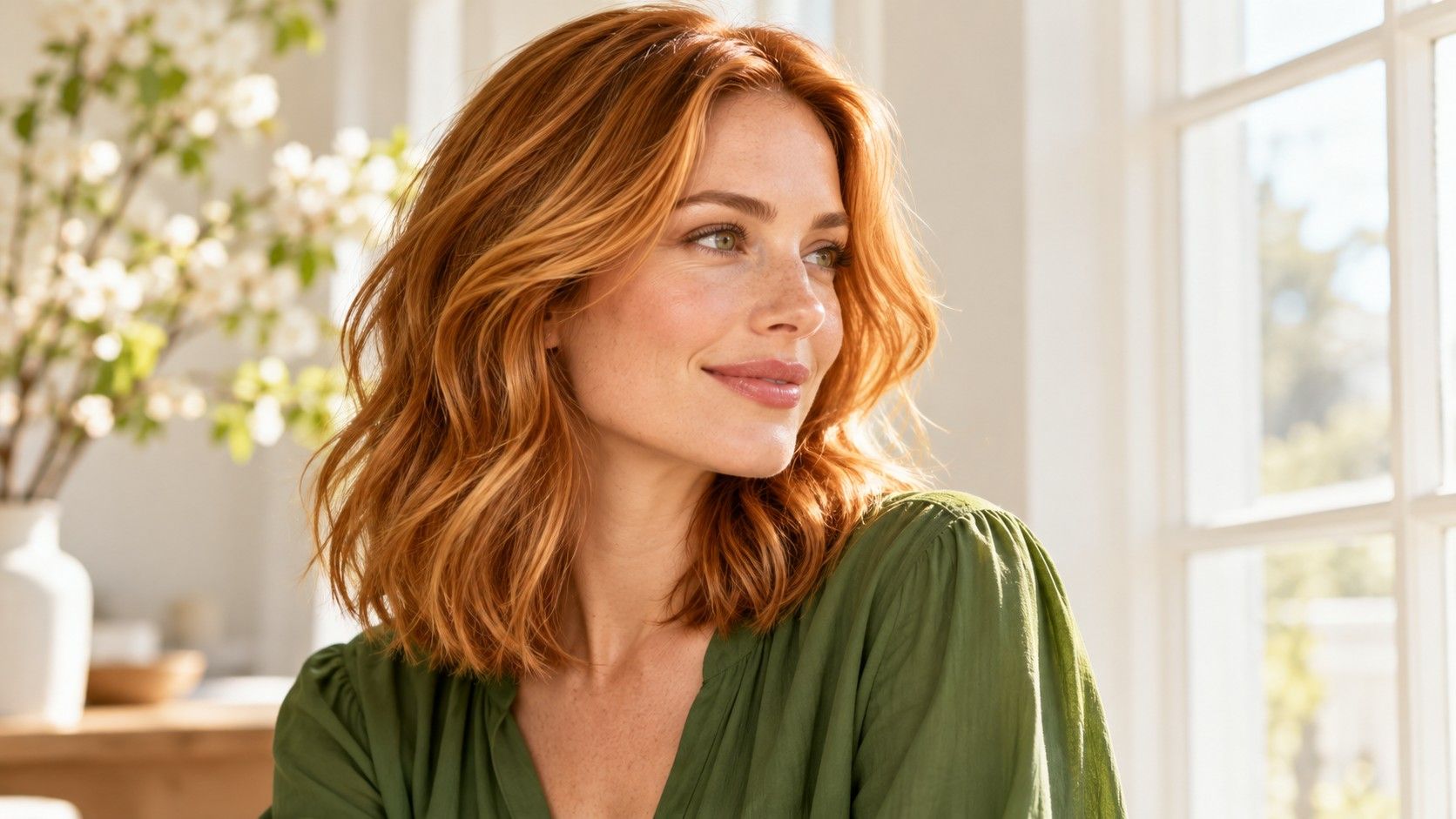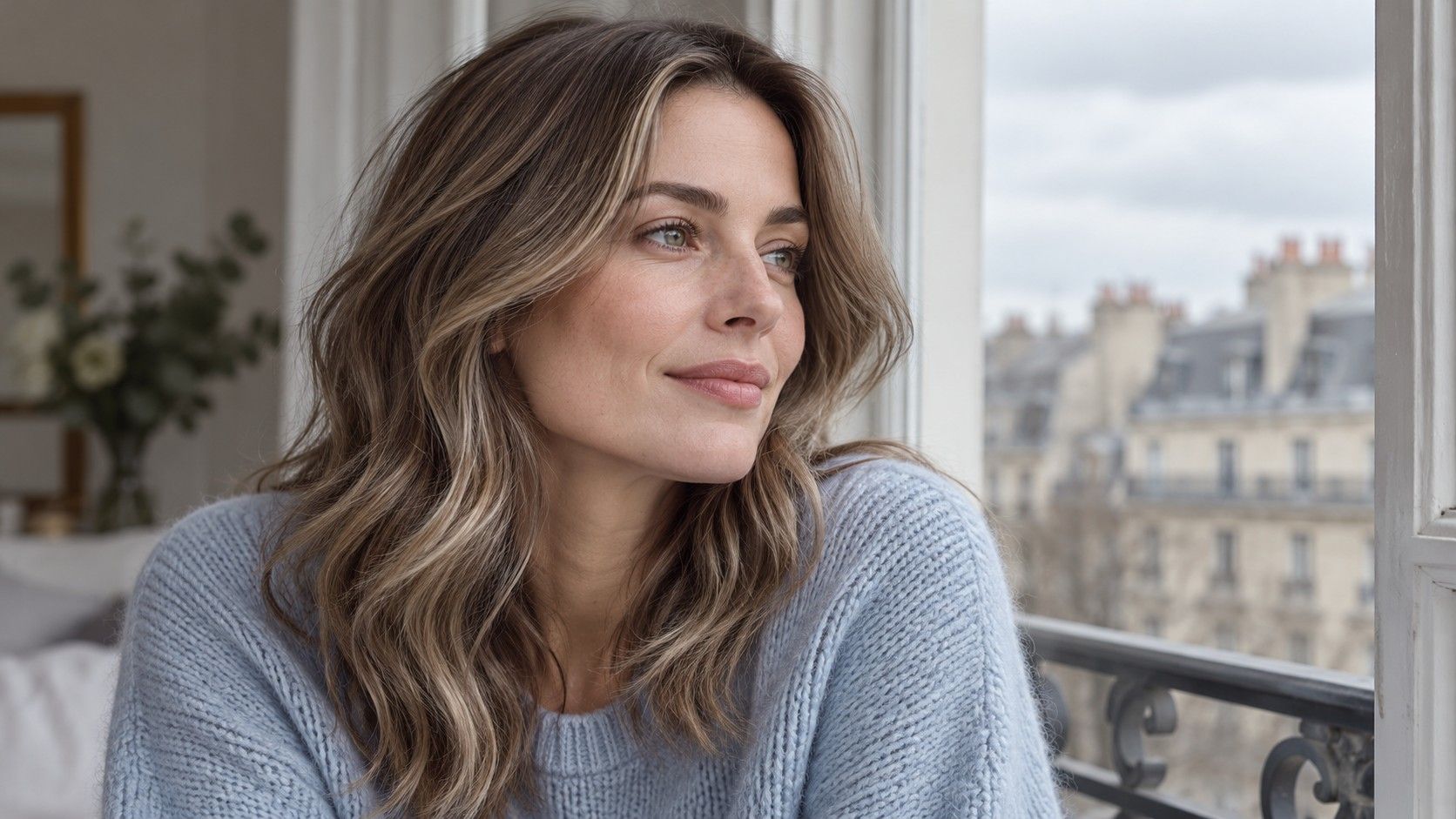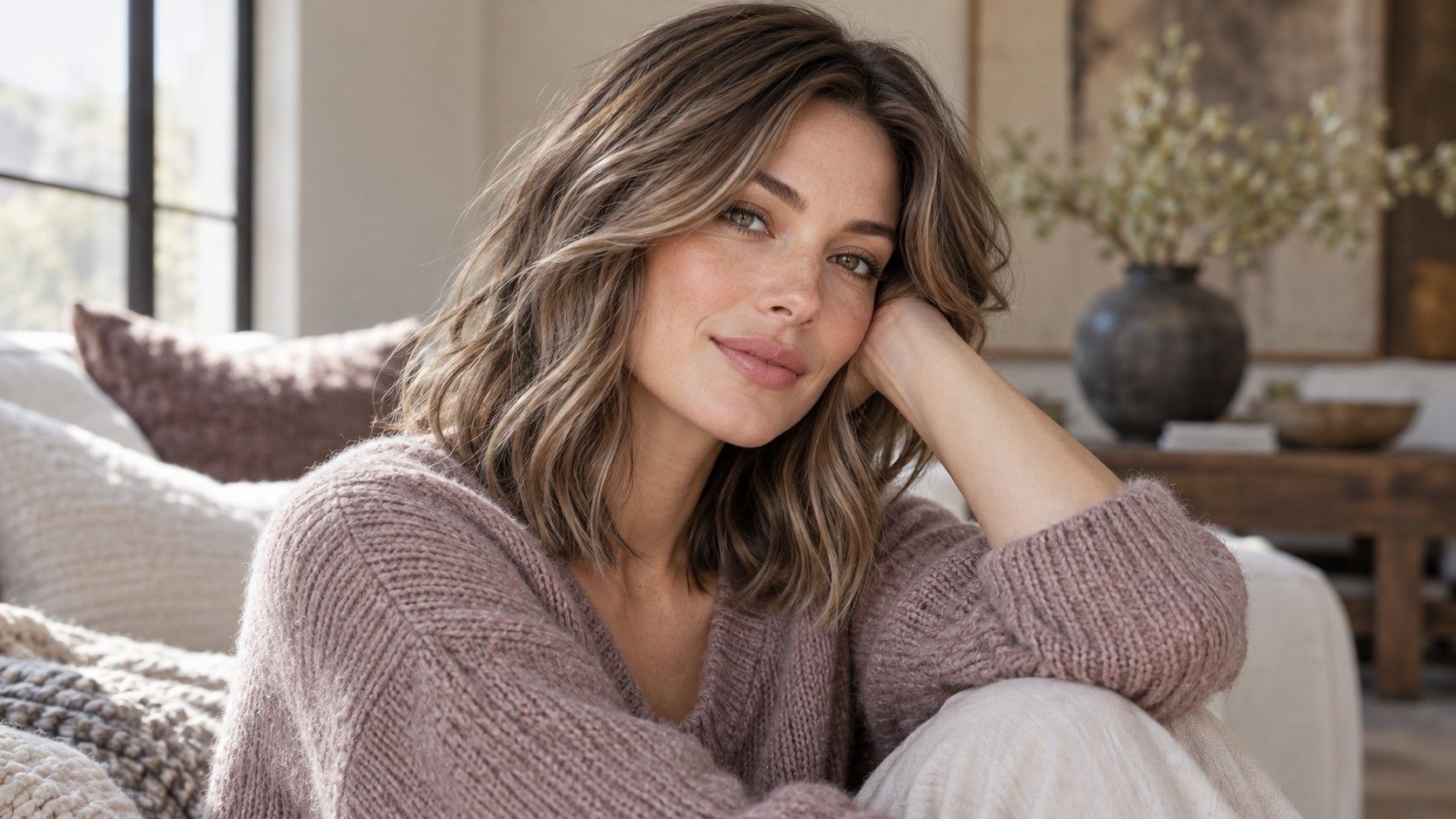
The appeal of soft summer hair colors is easy to see: gentle brown, smoky beige and quiet blonde shades that leave room for your face. Choosing one is harder than saving a picture labelled “ash.” A muted shade can still be too dark, too pale or simply dull beside your usual clothes. Use Soft Summer as a style framework for comparing colors, rather than a diagnosis that dictates what you may wear. The useful question is which version of softness you actually enjoy on yourself.
Start with what you want to soften
A Soft Summer palette is commonly described in seasonal styling as muted and cool leaning. That description leaves several choices open. You might want less obvious gold in your current blonde, a gentler transition from roots to highlights, or a brown that does not look almost black indoors. These are different requests. Reducing warmth will not automatically reduce darkness, and adding highlights will not automatically make a color feel softer.
Look at your hair near a window and then in an ordinary indoor room. Identify the part that bothers you: orange mids, a bright face frame, a solid dark outline or faded ends. Keep the rest of your appearance consistent while you compare. A pale top, different lipstick and stronger exposure can make a hair change seem more flattering than it is. Save a current photo before trying any preview so you have a steady reference.
Consider your natural contrast as a starting point for experiments, not a restriction. If your brows and roots are relatively dark, a slightly deeper muted brown may feel familiar. If you prefer a light overall impression, you may enjoy beige blonde even with darker brows. Neither choice needs to earn permission from a season label. Decide whether you want harmony, visible contrast or an intentional statement before choosing the shade.
Choose a brunette with shadows and lighter pieces
For a brunette starting point, compare mushroom brown, muted cocoa and a neutral brown with cooler highlights. Color names vary between salons and image libraries, so look beyond the caption. Mushroom brown may mean a gray beige light brown in one photo and a much darker smoky brunette in another. Save images showing the roots, the hair beside the cheeks and the ends; a close crop of glossy curls hides too much of the overall effect.
A muted brunette does not need to be a uniform layer of gray. Slight differences between the base and the lighter sections can keep it lively. Ask yourself whether you prefer the lighter pieces scattered through the length or concentrated near the face. A bright face frame gives a different impression from fine, low contrast highlights, even when the two looks share the same color family.
Watch the outline around your face in a preview. If the hair turns into one dark shape, try a lighter depth before deciding that cool brown is wrong for you. If the ends look dusty while the roots look convincing, you may be reacting to the distribution of tone. A useful consultation request is “a soft neutral brunette with visible dimension and no strong copper effect,” supported by pictures of what you mean. It is clearer than asking for the best hair color for Soft Summer and expecting one fixed answer.
Compare beige blonde with smoky blonde at the same depth
Blonde comparisons become confusing when the cooler example is also several steps lighter. Hold the approximate depth steady first. Put a beige blonde next to a more silvery blonde in the same selfie, with the same crop and exposure. Then compare two depths within the option you prefer. This separates your response to brightness from your response to tone.
Beige can be a useful middle ground when a strong silver effect feels severe and a honey blonde feels too golden for your taste. It is a visual direction, not a promise that the finished shade will look identical on every head. A colorist will need to consider your existing color, previous dye and what is practical for the hair in front of them. A phone preview cannot assess those conditions.
Give the root area as much attention as the ends. A softly blended root may suit someone who dislikes an obvious grow out line, while a consistently pale result asks for a different upkeep conversation. Also compare the shade with your usual hairstyle. Lightened pieces can look scattered in loose waves and form stronger stripes in straight hair. Use reference images with a texture and parting close to the way you actually wear yours.
Use ash as a comparison, not a blanket rule
“More ash” is an easy instruction to repeat when a result looks too warm, but it does not describe the whole target. Too much gray in a preview can flatten distinctions between roots, mids and ends. A muted result can retain a little beige or a neutral brown glow without becoming vivid orange. If the strictest interpretation of a palette makes you look unlike yourself, broaden the comparison.
Place three options side by side: your current color, a neutral version at a similar depth and a noticeably cooler version. Look at the whole portrait before zooming into the hair. Which one do you still like when the novelty wears off? Check it beside an everyday navy, rose or cream top you already own. The goal is a usable wardrobe relationship, not passing a universal test of complexion.
Seasonal hair color charts are styling conventions and different systems draw their boundaries differently. They cannot establish a scientific best shade for a person. You may find the Soft Summer vocabulary helpful while preferring one warmer accent or a deeper brunette. That is useful information for your shortlist. A shade you like in your normal surroundings is a better endpoint than a perfectly matched name you find lifeless.
Match the idea to your starting color and upkeep
A saved photograph describes a destination. Your starting color determines the conversation needed to get there. Untreated dark brown hair, recently dyed copper and a pale blonde with darker roots are not interchangeable starting points. Bring an honest color history and ask which part of the reference can be approached now, which part may need stages and what a lower commitment alternative would look like.
| Starting point | Useful comparison | Question for the consultation |
|---|---|---|
| Brown hair with warm highlights | Neutral brown with a softer highlight contrast | Can the bright pieces be blended while keeping dimension? |
| Very light blonde | Beige blonde beside a slightly deeper smoky blonde | Which option fits the condition and current color of the ends? |
| Previously dyed copper or red | Muted brunette beside a gradual neutral transition | What is realistic over more than one appointment? |
| Natural gray mixed with brown | Soft blending beside keeping the gray visible | How will the plan look as the natural roots return? |
Be specific about your routine. “Low maintenance” might mean avoiding frequent appointments, accepting some warmth between visits or leaving the root color close to natural. Those preferences can point toward different looks. Ask about the expected grow out pattern and the upkeep the proposed result usually needs, rather than relying on a fixed schedule from a photograph. You can choose a less dramatic version if that is the one you can comfortably maintain.
Make a shortlist that survives normal lighting
Limit your final soft summer hair color ideas to two or three distinct choices. Five nearly identical beige photographs make it harder to explain a preference. A more useful set might contain a muted cocoa brunette, a beige brown with fine lighter pieces and a softly rooted blonde. Write one sentence under each image about what you like: the depth at the hairline, the quiet highlights or the absence of a sharp root boundary.
Check virtual versions in a daylight photo and an indoor photo taken without a beauty filter. Hair preview tools can alter edges, highlights and the apparent tone of skin. Treat a convincing result as a reason to discuss the idea, not evidence that the color can be produced exactly. Look closely at stray hairs, the part and areas beside the ears; those are common places where an overlay can mislead you.
Bring one disliked example as well. “This looks too gray for me” or “I like the brown, but the pale stripe is too strong” gives a colorist something concrete to work with. Your final request should name the mood, the approximate depth, the amount of contrast and the upkeep you accept. Those decisions turn a broad seasonal label into a hair color you can picture wearing on an ordinary day.