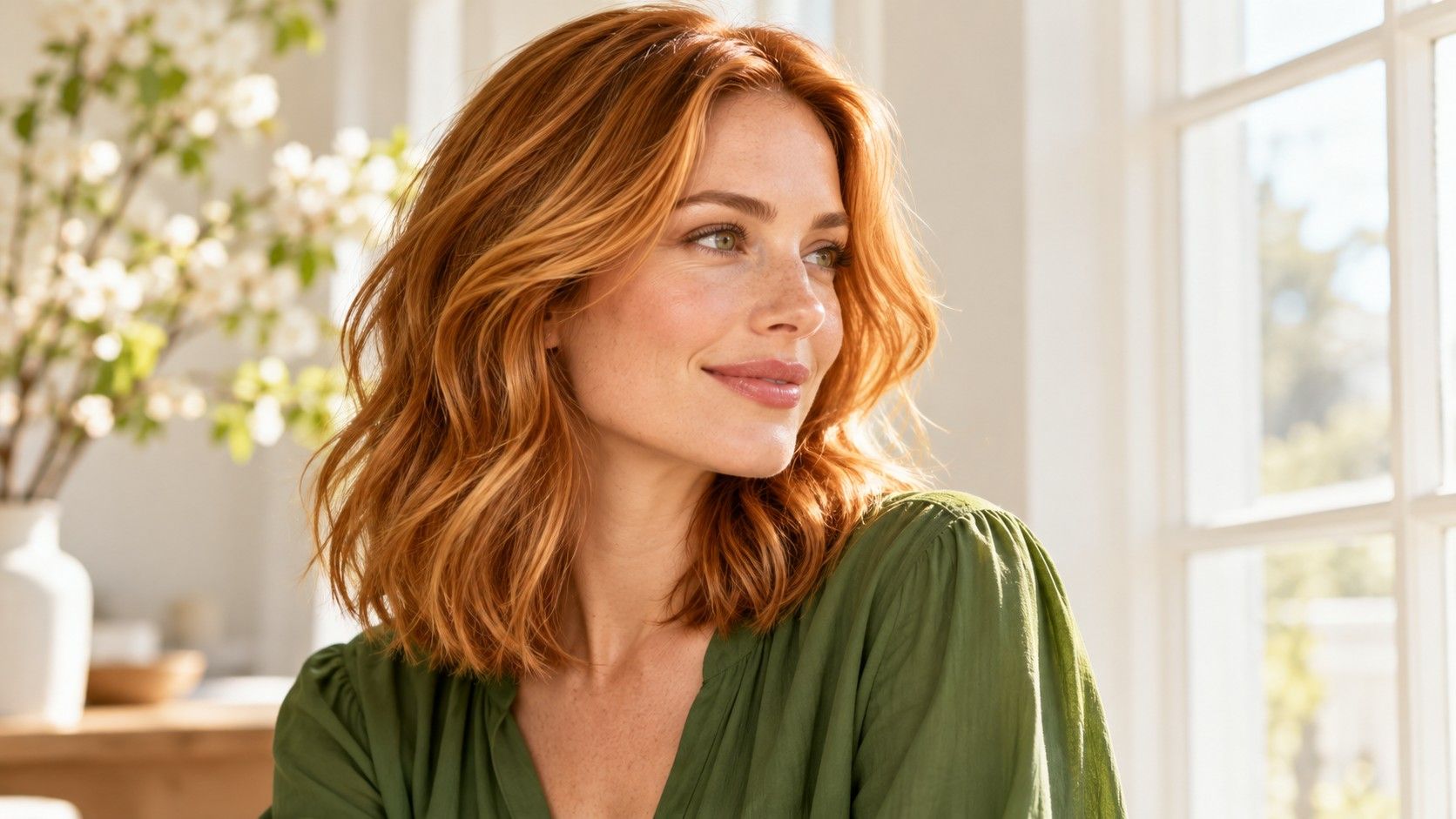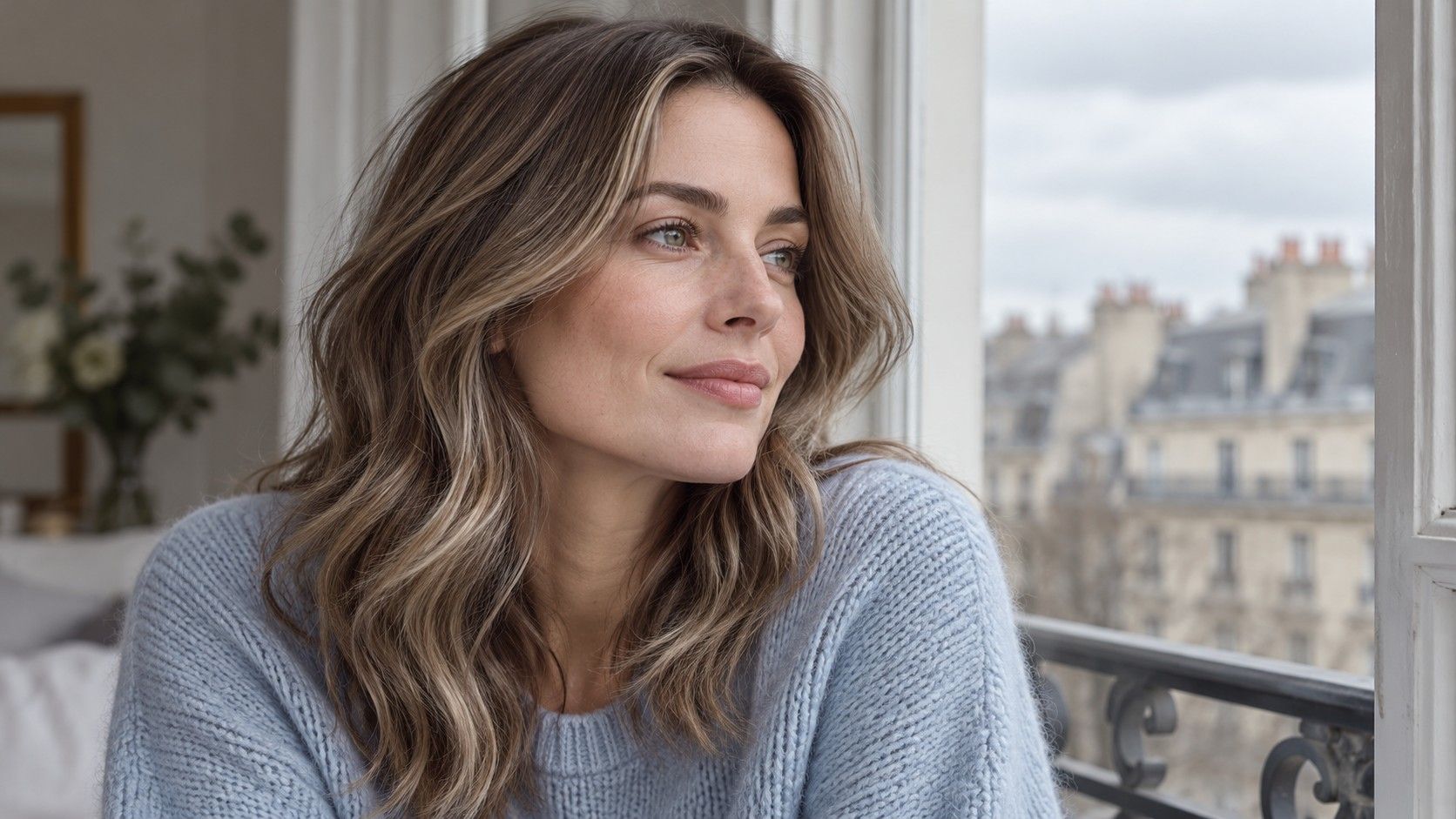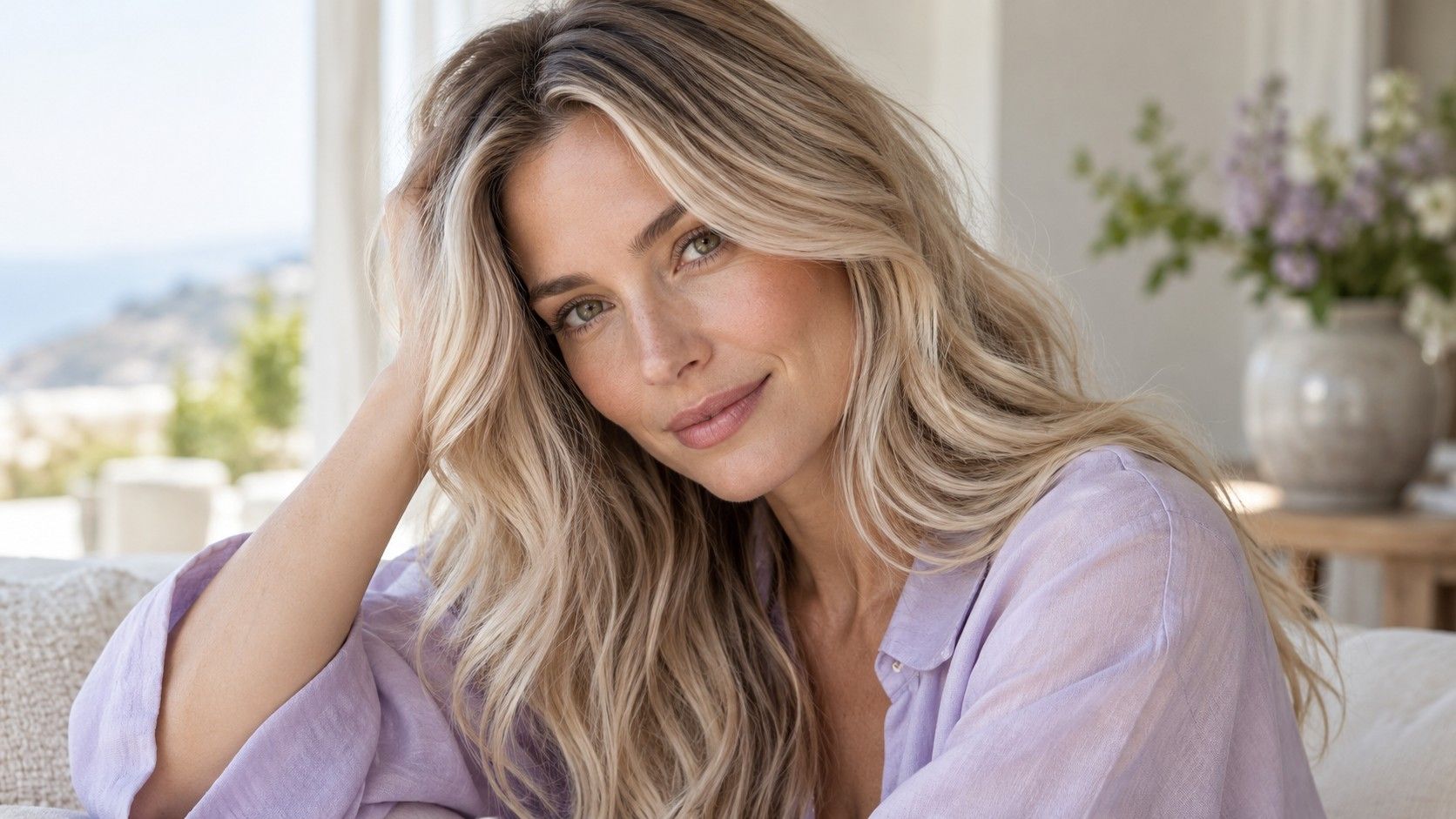
A blonde can be soft without being gray, and dimensional without having obvious stripes. That is the useful starting point for comparing Soft Summer blonde hair colors. Instead of hunting for one approved shade, decide how much lightness you want, where you want to keep depth and whether beige or a cooler effect appeals to you. Seasonal palettes are subjective styling frameworks. They can organize your references, but the final choice should work with your starting hair, your preferences and the upkeep you are willing to accept.
Decide which parts of your hair you want to look blonde
“I want to go blonde” can mean several different things. You might want a light impression around the face while keeping a deeper crown, brighter ends with a familiar root, or a blonde effect through almost the whole head. Before comparing shade names, choose which of those pictures is closest to your goal. Placement can change your overall appearance as much as a small shift between beige and ash.
Study your current hair with it down, then pull it back. If you wear a bun most days, the lightness through the ends may barely appear from the front. If you wear a long fringe, the color there will shape the effect beside your eyes. Select references showing those areas clearly. A back view of curled hair is useful for the lengths but says little about the face frame.
For a first comparison, try three degrees of lightness in the same broad tone family: a darker blonde with subtle light pieces, a medium blonde with a blended root and a much paler version. Keep the hairstyle and photograph constant. You may discover that you want a smaller amount of blonde than the first reference suggested. Or you may like a pale result and prefer to keep its brightness. Neither response needs to be justified by a seasonal category.
Compare beige and ash without changing the whole picture
Beige blonde often suggests a balance between warm and cool impressions; ash suggests a cooler, grayer direction. The names are flexible, so use the images as evidence of the look you mean. One beige may appear softly golden, while another may be closer to a pale neutral brown. The caption alone cannot settle whether you will like it.
Place a beige and an ash example of similar lightness beside the same face. If the ash image is also much paler, you will be comparing two changes at once. Look for a version that lets you judge tone independently. Then try the preferred direction with slightly more depth, especially if the lightest preview seems to blur the outline of your haircut.
Pay attention to the difference between a cool effect and a flat effect. You might enjoy a smoky blonde that still has lighter ribbons and deeper areas. A uniform gray overlay can erase those details, making a whole color family seem less appealing than a real dimensional result would be. If you dislike the preview, identify whether the problem is grayness, darkness or the lack of variation.
Use the root to control the contrast around your face
The root area connects the blonde lengths to the rest of your appearance. It can be light and consistent, visibly deeper or softly graduated between the two. These are design choices with different visual effects. A deeper root may make pale pieces look brighter by comparison, while a gentler transition may make the whole result feel quieter.
Use your natural root depth as one reference rather than treating it as a fixed boundary. Compare a root close to that depth with a slightly lighter one. Keep your actual brows in the picture. You may like their contrast with blonde, or you may prefer less difference between the brow area and the hairline. Brow color does not dictate the result; it helps you see the combination you are choosing.
Ask a colorist to explain where the deeper area would end. A shadow visible only close to the scalp differs from a long gradual transition through the upper lengths. In a photograph, both may be described as a rooted blonde. If your hair is short, that distinction can occupy a large part of the cut. On longer hair, it changes the balance between the darker top and lighter ends.
Keep dimension visible without asking for stronger stripes
Dimension is the visible variation between lighter and deeper areas. It does not require broad contrasting sections. Fine differences can keep a blonde from looking like one continuous pale surface. If softness is your priority, compare references where the lighter pieces blend into the background with ones where individual ribbons are easy to trace.
Look at the front separately from the rest of the hair. You may like a dimensional back view but find a pale face frame too pronounced. Ask whether the front could stay closer to the overall blonde, or whether finer lighter pieces would give the effect you want. Conversely, if you enjoy a brighter front, keep that preference in the plan instead of suppressing it to match a muted label.
Texture changes how the pattern appears. In waves, a light section may come forward, disappear and reappear; in straight hair, its full length may be visible. An image with large styled curls can therefore make stronger highlights appear more blended than they would in your usual style. Bring an uncomplicated straight or loosely styled reference if that better represents your routine.
Read blonde reference photos with a little skepticism
The search for Soft Summer celebrities with blonde hair can supply ideas for cuts, roots and color placement, but it cannot verify a person's seasonal category or establish your own. Celebrity images may show different lighting, styling and editing, and the same person can appear to have several different blonde shades. Save the feature you like rather than copying an assumed type.
For each useful image, name one specific feature: the beige ends, the gentle root blend, the fine highlights around the part or the level of lightness beside the cheeks. If you cannot identify it, the photograph may be appealing because of the styling or the whole portrait. That is a weaker guide to your hair choice than a reference with clearly visible color details.
Compare the shortlisted ideas with an unfiltered photograph in indirect daylight. Add an indoor version taken in a room you use often. Avoid judging blonde only in strong sun, which changes the visible reflections, or beneath a single warm lamp. Do not switch clothing or makeup between each digital version; those changes can alter your impression of the shade.
Can Soft Summers have blonde hair? A seasonal label cannot prohibit it. The more productive question is which blonde you enjoy and whether its depth and placement fit the look you want. A rooted beige, a cool dimensional blonde and a pale statement color are different choices to investigate. Your preference may also change when you see them with an everyday hairstyle rather than a polished reference.
Plan from the hair you have, then agree on the upkeep
A preview does not know whether your current lengths are untreated, previously dyed dark or already lightened in uneven sections. Those starting points affect the salon conversation. Bring your color history, a current daylight photograph and the two references that best explain your goal. Let the colorist assess what is practical rather than expecting a phone edit to predict the process or result.
If you are already blonde, specify what you want to change. Less yellow, more depth through the crown, a gentler front highlight and a more even overall impression are separate requests. You may not need to change all of them. If you are starting from darker hair, ask which version of your chosen look can be approached realistically and whether a staged plan would make sense for your situation.
Discuss how the roots and lengths are expected to look between visits. “Low maintenance” is too vague on its own: you might accept visible natural roots but want the ends to keep a particular tone, or care more about avoiding a sharp line at the part. Tell the colorist which change would bother you first. Ask about upkeep for the actual proposal rather than assuming every beige or ash blonde shares the same routine.
Finish with a concise request that describes lightness, tone and placement. For example, you might want a medium beige blonde, fine variation through the lengths and a root close to your natural depth, while avoiding a solid gray appearance. Another person may prefer a lighter cool blonde with a more visible face frame. Those are specific choices a colorist can discuss. “Soft Summer blonde” becomes useful once it helps you explain the result you want to wear.