Pale skin can look striking beside dark hair, soft beside light hair, or vivid against copper. Those effects answer different style preferences; none is automatically the correct choice. The useful starting question is how much separation you want between your face and your hair. Once that is clear, compare warmer, cooler and more neutral versions at a similar depth. This approach makes the long lists of hair colors for pale skin easier to use without treating fair complexions as one uniform color category.
Separate fair skin from a cool undertone
Pale describes skin depth, while undertone describes a different aspect of its color appearance. Fair skin can look warm, cool, neutral or olive. Pink cheeks do not necessarily settle the question, and neither does the color of your wrist veins. Surface redness, foundation and surrounding light can change what you notice first. If a quiz tells you all pale skin needs ash blonde, it has skipped distinctions that matter.
Start with how your face looks in ordinary indirect daylight, then consider how it appears with your usual makeup. A very pink lip or warm foundation can pull your attention toward one part of the palette. Decide whether you are choosing for your everyday look or for a very different styled photograph.
Compare a golden and a muted shade at the same depth rather than trying to label yourself from one accessory. If you prefer the golden version, note the preference. If the muted shade gives the quieter effect you want, keep that. Seasonal systems can help you find groups of examples, but their categories are subjective styling tools. A disagreement about your season does not make your own comparison invalid.
Decide whether you want softness or a defined outline
Look at your current hair around the forehead, cheeks and jaw. Does it provide the amount of definition you enjoy, or do you want that outline lighter or stronger? Very light hair can create a gentle transition beside fair skin; dark hair can create a distinct frame. Either can be intentional. Words such as “washed out” and “harsh” describe a reaction, not an automatic property of your complexion.
Bring brows and eyes into the picture without turning them into rules. Dark brows with pale skin may make a deep brunette feel familiar even when the lengths are currently blonde. Light brows can remain a deliberate soft feature beside stronger hair color. You do not have to make hair and brows identical. Glasses also contribute a visible outline, so judge a new hair depth with the frames you wear most often.
Choose a close-to-current reference, a lighter one and a darker one before adding several shades of red or gold. Keep the haircut similar enough that the color remains the main difference. A heavy fringe surrounds the face with more hair than an open, swept-back style. If you love the fringe in a picture, distinguish that preference from liking its dark shade.
If two depths both appeal, describe when you prefer each. A lighter frame might feel comfortable with minimal makeup, while the darker option might suit the graphic look you want with black glasses. Those observations are more useful than a claim that one depth is the best hair color for pale skin in every setting.
Compare blonde with light brown before choosing the palest option
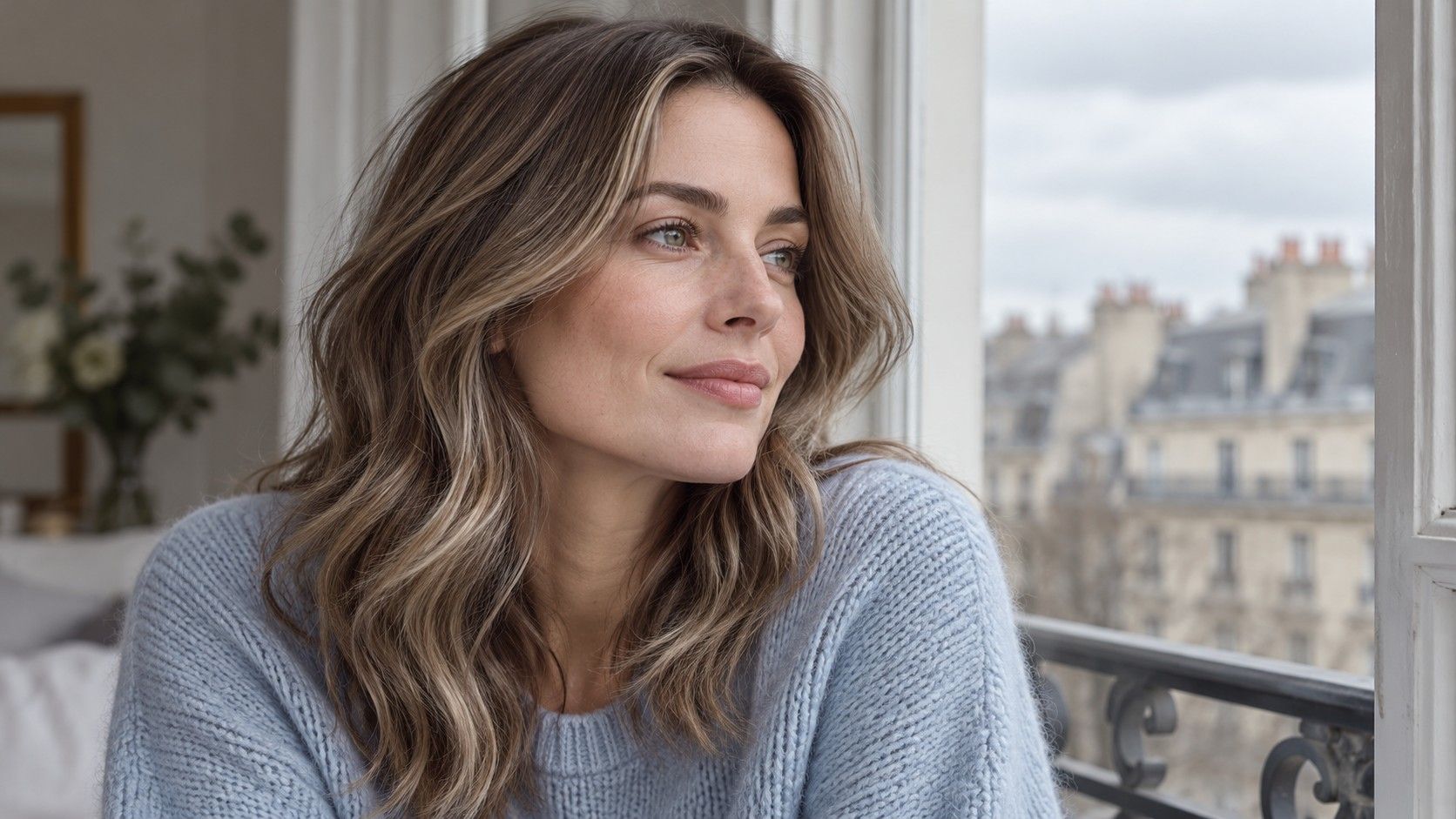
Blonde is a wide family. Beige blonde, golden blonde and very pale cool blonde can have different effects even when they look similarly light in a small reference image. Light brown may give you some of the softness you want while keeping more separation from your skin. Compare that middle ground before assuming the choice is between dark brunette and a very pale blonde.
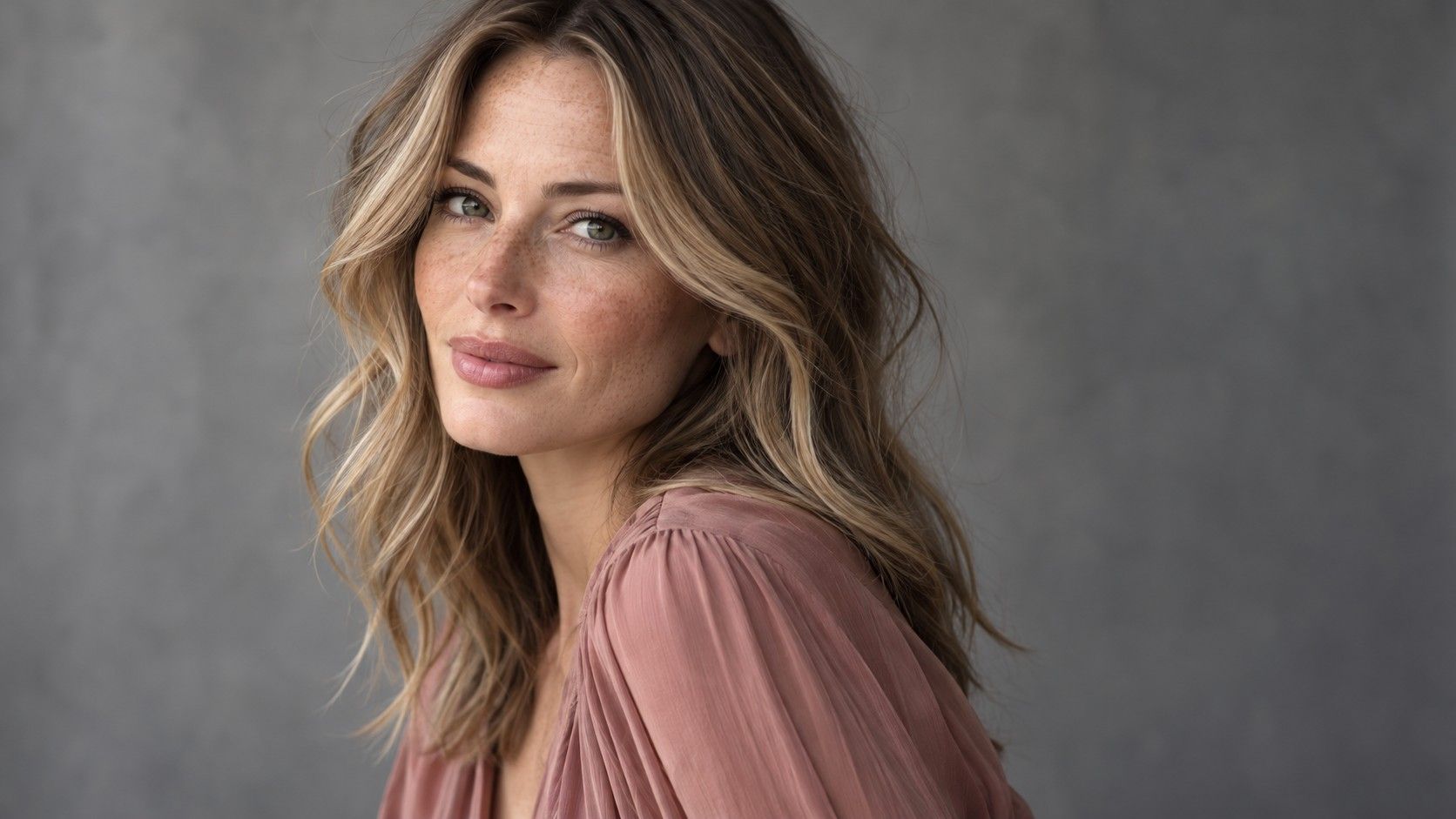
Check the roots in each photograph. A blonde style with a deeper root can provide definition around the face while its lengths remain light. The appearance may owe as much to that arrangement as to the blonde tone. Look at where the lightest pieces begin, how much of the natural-looking root remains visible and whether the fringe is as light as the ends.
Warmth deserves its own comparison. A golden blonde can feel bright and lively beside fair skin, while a beige or cooler blonde may produce a more restrained impression. Very pale hair can blend with your skin in a way you enjoy, or leave you wishing for more outline. If the latter happens, test a slightly deeper blonde before rejecting the entire family.
A very light preview can flatten texture and conceal differences between roots and previously colored lengths. Keep it for the general idea, then discuss what is realistic for your starting hair.
Use copper and auburn to choose the amount of color you want
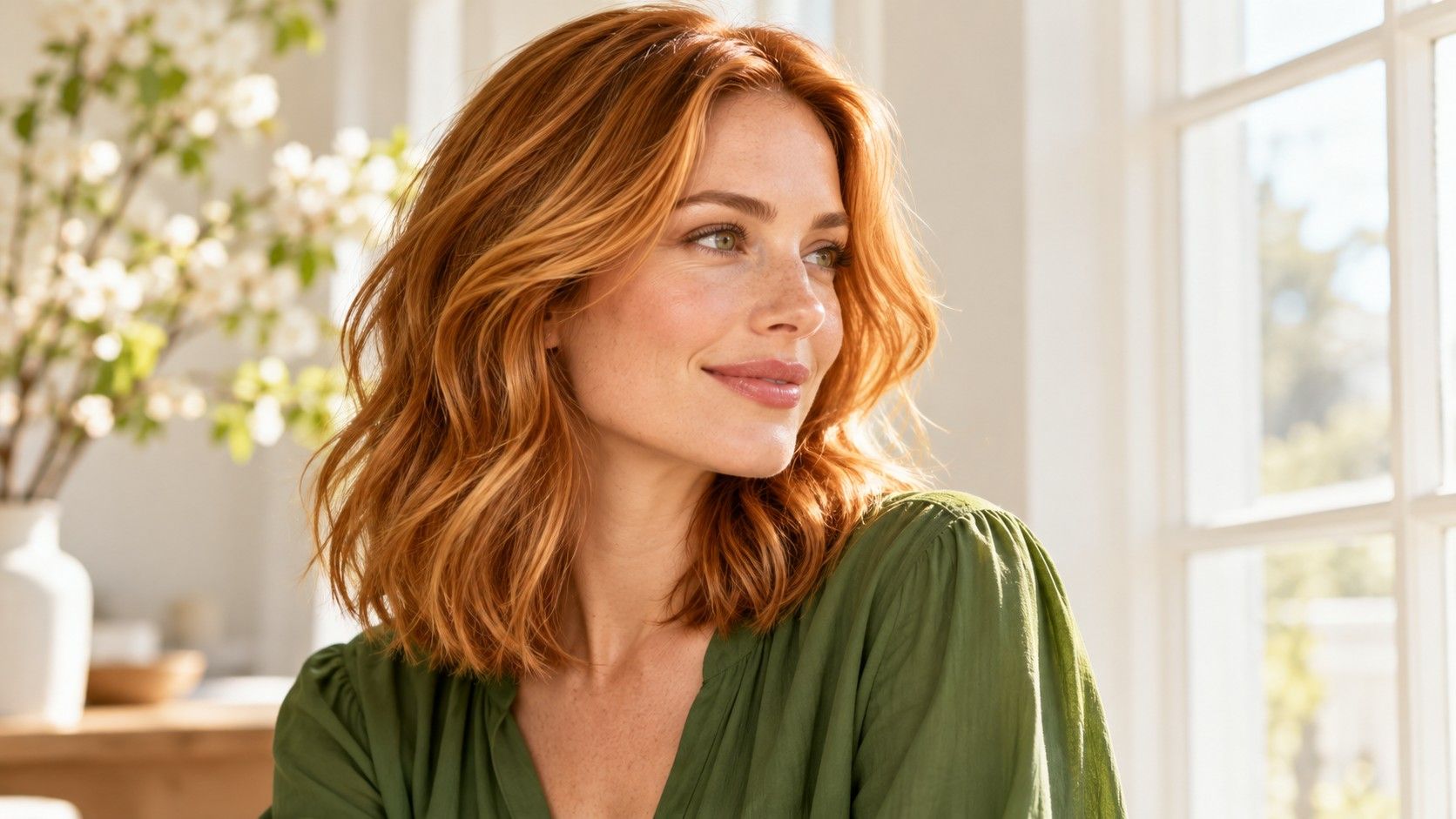
If warm hair colours for pale skin are what draw your eye, begin with the strength of the red or orange impression. A copper-brown and a bright copper are different commitments visually, even before practical upkeep enters the discussion. Put them side by side. Decide whether you want a quiet glow in brown hair or a shade that reads clearly as red from across a room.
Copper need not be restricted to warm undertones. Some people enjoy the contrast of a warm red against cooler-looking fair skin; others prefer a more muted auburn. There is no need to claim that red will neutralize your complexion or make every feature look better. Ask a simpler question: does the relationship between the hair and face produce the effect you like?
Auburn labels are inconsistent. One reference may show dark red-brown; another may show a much brighter red with little brown visible. Describe the depth, the amount of orange versus red, and the saturation you want. Look at a reference in more than one light if it is available. Sunlit copper can appear substantially brighter than the same hair in shade, and a dramatic outdoor image may be the reason you saved it.
Lists of fall hair colors for pale skin often favor cinnamon, chestnut and copper. Treat those as seasonal inspiration, rather than evidence that your coloring changes its rules in autumn. Your clothing and preference for a warmer look may change. You can choose that mood without needing a different undertone classification.
Try dark brown without assuming every brunette is severe
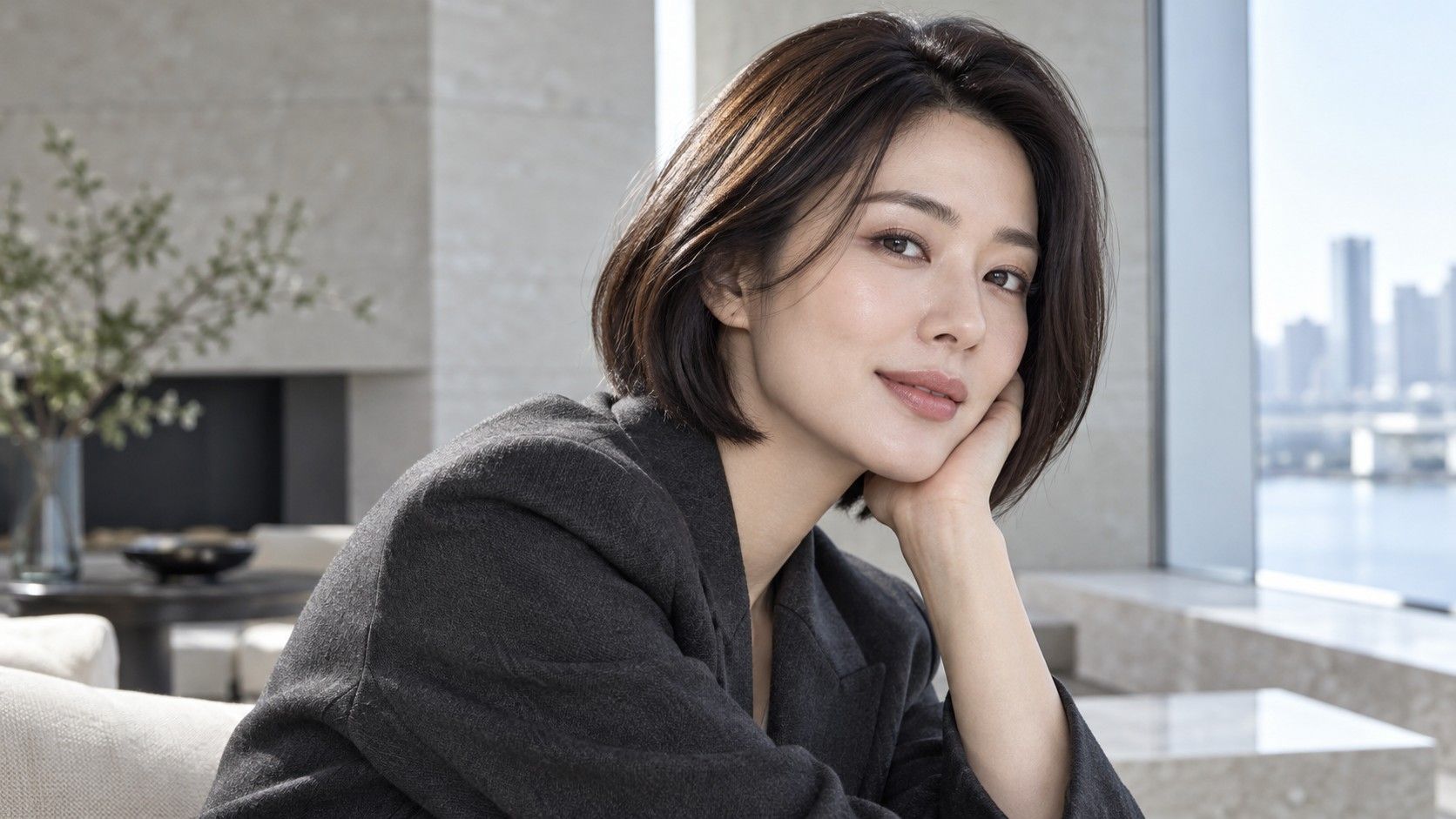
A dark brunette creates obvious contrast beside pale skin, and that can be exactly its appeal. Compare a medium brown with a deeper brown in a similar tone before jumping to black. You may prefer the stronger outline, or discover that the middle option already gives enough definition. Keeping the tone steady helps you identify whether depth is doing the work.
Next compare two dark references with different tonal directions, such as a red-leaning brown and a more neutral brown. Espresso, chocolate and chestnut are useful conversational names, but they do not specify an exact appearance. A dark reference with golden highlights may feel softer than a flat all-over edit because the placement breaks up the block of color. Look at the whole arrangement, not just the darkest strand.
Dark hair does not require dramatic makeup. Check it with the look you actually enjoy wearing. If you feel the need to change your brows, lips and clothes to make a shade convincing, decide whether that wider style change is part of what you want. If it is, the result may be exciting. If it feels like work, choose a reference that makes sense with your existing routine.
For a very deep shade, inspect digital previews carefully around the cheeks and parting. A filter that removes all shine and strand separation can make brunette look more solid than a real reference. Compare against photographs that retain visible texture before deciding the entire dark family looks too heavy.
Keep the final choice connected to ordinary life
Narrow the collection to two or three options that differ in a way you can explain. For example: beige blonde for a soft frame, medium neutral brown for more definition, and muted copper for a visible warm color. Write what you like about each and the feature you would change. A shade name alone leaves too much open to interpretation.
Then test the shortlist in the context of your usual cut, clothes and light. A favorite should not depend entirely on a salon spotlight, a new fringe or full evening makeup unless that is the setting you are choosing it for. A simple unfiltered image can help you assess the general contrast. It remains an illustration of an idea, especially when the proposed change is large.
Discuss your natural root, previous color and maintenance preferences before settling on a practical plan. Ask how a visible root would fit the design and how the tone might change between visits. There is no single schedule that applies to all blondes, brunettes or reds. The best hair colors for pale skin are useful candidates when they fit your taste and your actual hair, with enough room to adapt the reference instead of copying it blindly.